
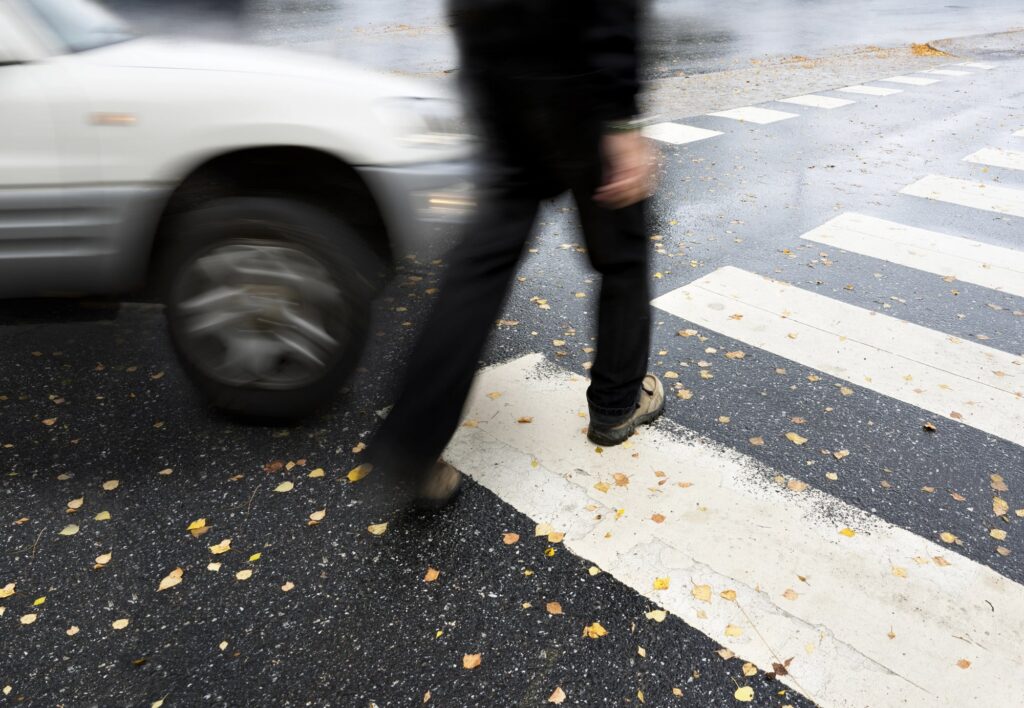
Pedestrian accidents can be frightening because the person on foot has little physical protection from a moving vehicle. Even a collision at a relatively low speed can result in significant injuries, and the moments immediately afterward may be confusing. A pedestrian accident lawyer can help injured pedestrians understand their legal rights and options after being struck by a vehicle.
Knowing what to focus on can help protect a pedestrian’s health while also preserving important information about the accident. The attorneys at Isaacson, Schiowitz & Korson, LLP explain several practical steps that may be helpful after a pedestrian collision.
Move to Safety if Possible
The first priority is avoiding additional injury.
If the pedestrian is able to move safely, getting out of active traffic can reduce the risk of a second collision. However, someone who is seriously injured, dizzy, disoriented, or experiencing severe pain should avoid unnecessary movement unless remaining in place presents an immediate danger.
Emergency services should be contacted when injuries may be serious or when the accident creates a traffic hazard.
Seek Medical Attention
Some injuries are immediately apparent, while others may become noticeable later.
A pedestrian may initially focus on visible injuries such as cuts or bruises but later develop pain in the neck, back, shoulders, knees, or other areas. Head injuries can also produce symptoms that are not always obvious at the scene.
Anyone experiencing significant pain, loss of consciousness, confusion, weakness, numbness, severe headache, difficulty walking, or other concerning symptoms should seek prompt medical evaluation.
Medical care is important first and foremost for health. It also creates a record of the symptoms and injuries reported after the accident.
Identify the Driver and Vehicle
If circumstances allow, obtain the driver’s name, contact information, driver’s license information, insurance information, and vehicle license plate number.
The make, model, and color of the vehicle may also be useful.
If the driver leaves the scene before information can be exchanged, write down or photograph as much identifying information as possible. Even a partial license plate number or description of the vehicle may help an investigation.
Look for Witnesses
Pedestrian accidents often happen quickly, and the pedestrian and driver may remember the event differently.
Independent witnesses can provide important information about vehicle speed, traffic signals, crosswalk use, visibility, turning movements, or other details.
If anyone saw the accident, obtain the person’s name and contact information if possible.
Witnesses may leave before police or emergency responders arrive, so identifying them early can be important.
Photograph the Area
If it can be done safely, photographs can help document the location.
Useful images may show the roadway, crosswalks, traffic signals, signs, lighting conditions, parked vehicles, obstructions, vehicle damage, skid marks, debris, and the general layout of the intersection or road.
Photographs from several angles can provide context that close-up images alone may not capture.
The appearance of the location may change quickly. Vehicles move, construction begins, weather changes, and temporary obstructions disappear.
Report the Accident
Pedestrian accidents involving injuries should generally be reported to the appropriate authorities.
An official accident report may identify the parties involved, witnesses, vehicle information, location, and initial accounts of what happened.
The contents of a report do not necessarily determine legal responsibility, but the report may preserve important information.
Avoid Guessing About Details
After an accident, people are often asked how fast the vehicle was moving, how far away it was, or exactly how much time passed before impact.
Those details can be difficult to estimate accurately.
If a pedestrian does not know the answer, it is usually better to say so than to guess. An uncertain estimate given immediately after a traumatic event can later be mistaken for a precise statement.
Preserve Clothing and Personal Items
In some cases, damaged clothing, shoes, a bicycle helmet, phone, bag, or other personal property may become relevant.
Before discarding damaged items, consider whether they should be photographed or preserved.
Visible damage can sometimes help demonstrate the force or location of an impact.
Be Cautious With Social Media
People often want to reassure friends and relatives after an accident, but public posts can create complications.
Statements about the accident, photographs of activities, or casual comments about recovery may be viewed without their full context.
Keeping accident-related information private can reduce the possibility of misunderstandings.
The Bottom Line
Pedestrian accidents can create both immediate medical concerns and longer-term questions about what happened.
The most important steps are to address safety and health first. After that, gathering driver information, identifying witnesses, photographing the location, preserving records, and avoiding speculation can help create a reliable account of the accident.
Because traffic laws and personal injury rules vary by jurisdiction, the legal significance of particular facts will depend on the laws where the accident occurred.