
Traumatic brain injuries change lives in ways that broken bones or soft tissue injuries never do. Your personality might shift. Your memory fails. You struggle with tasks that used to be automatic. Work becomes impossible. Relationships suffer.
These injuries also create unique legal challenges that most personal injury attorneys aren’t equipped to handle. The medical evidence is technical. The damages extend decades into the future. Insurance companies fight these claims aggressively because the settlement values are enormous. Our friends at Yearin Law Office discuss how brain injury litigation requires understanding neuropsychology, working with specialized medical professionals, and presenting invisible injuries to juries who expect to see obvious physical damage. A qualified brain injury lawyer brings the knowledge and resources necessary to build compelling cases for maximum compensation.
Understanding Traumatic Brain Injury
Traumatic brain injury occurs when external force damages the brain. This includes direct blows to the head, penetrating injuries, or acceleration-deceleration forces that cause the brain to move inside the skull.
According to the Centers for Disease Control and Prevention, approximately 190 people die every day from TBI-related injuries in the United States. Survivors often face permanent cognitive, physical, and emotional impairments that affect every aspect of life.
Why Brain Injury Cases Are Different
1. Injuries Aren’t Visible On Standard Imaging
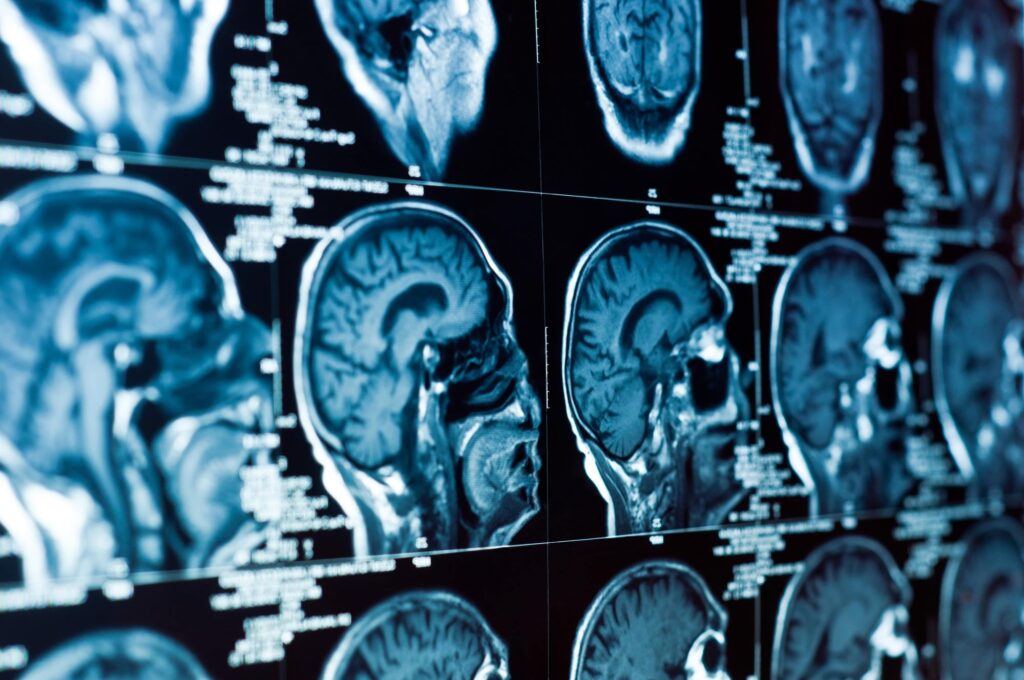
Mild to moderate traumatic brain injuries often don’t appear on CT scans or MRIs. The structural damage might be microscopic, but the functional impairments are real and devastating.
Insurance companies use negative imaging to deny claims or minimize damages. They argue that if nothing shows on the scan, the injury must not be serious. This completely misunderstands how brain injuries work.
We work with neurologists, neuropsychologists, and other professionals who can document brain injuries through cognitive testing, functional assessments, and advanced imaging techniques like diffusion tensor imaging. This medical evidence proves injuries that insurance companies want to deny.
2. Symptoms Develop Over Time
Brain injury symptoms often worsen in the weeks and months following the initial trauma. What starts as a headache and confusion can progress to severe cognitive impairment, personality changes, and inability to work.
Early settlement offers fail to account for progressive symptoms and long-term complications. We don’t settle brain injury cases until clients reach maximum medical improvement and we fully understand the permanent impacts.
3. Life Care Plans Require Specialized Knowledge
Severe brain injuries require lifetime care including medical treatment, cognitive therapy, occupational therapy, assistive technology, home modifications, and personal care assistance. Calculating these costs requires detailed life care plans prepared by specialized professionals.
These plans project medical needs and costs over the victim’s remaining life expectancy. Even small errors in these projections can mean hundreds of thousands of dollars in inadequate compensation.
We work with life care planners, economists, and vocational rehabilitation professionals to document future care needs accurately and demand compensation that covers actual costs.
4. Lost Earning Capacity Calculations Are Complex
Brain injuries often prevent people from returning to their previous occupations. Even when victims can work, they typically earn less than they would have without the injury.
Calculating lost earning capacity for brain injury victims involves analyzing:
- Pre-injury education, skills, and career trajectory
- Post-injury cognitive and physical limitations
- Available alternative employment given those limitations
- Wage differences between pre-injury and post-injury work
- Lost benefits, retirement contributions, and advancement opportunities
These calculations require vocational experts and economists who specialize in catastrophic injury cases.
5. Cognitive And Behavioral Changes Affect Testimony
Brain injury victims often make poor witnesses. Memory problems affect their ability to recall the accident. Cognitive impairments make it difficult to answer questions clearly. Personality changes might make them seem angry or inappropriate.
Juries who don’t understand these symptoms might question the victim’s credibility. We prepare clients for testimony, educate juries about how brain injuries affect behavior, and present medical testimony explaining why victims seem different than they did before the injury.
6. Insurance Policy Limits Rarely Cover True Damages
Serious brain injuries generate millions of dollars in damages when you properly account for lifetime medical care, lost earning capacity, and non-economic damages like pain and suffering and loss of life’s enjoyment.
Most insurance policies don’t come close to covering these damages. We identify all available insurance coverage including multiple liability policies, umbrella policies, and underinsured motorist coverage. We also pursue at-fault parties’ personal assets when insurance is insufficient.
7. These Cases Frequently Go To Trial
Insurance companies know brain injury cases are difficult to prove and expensive to litigate. They often refuse reasonable settlements hoping victims will give up or accept inadequate offers rather than face the stress and uncertainty of trial.
We prepare every brain injury case for trial from day one. This includes retaining the best medical professionals, conducting thorough discovery, and developing compelling presentations that help juries understand invisible injuries. Our willingness to try cases gives us negotiating leverage that attorneys who avoid trial never achieve.
The Stakes In Brain Injury Cases
Brain injuries don’t heal like other injuries. Victims face permanent changes that affect their ability to work, maintain relationships, and enjoy life. Children with brain injuries never reach their full potential. Adults lose careers they spent years building.
Compensation must account for these lifetime impacts. Settling too quickly or for too little leaves victims without resources to manage ongoing needs.
Building Your Case
Traumatic brain injury cases require attorneys who understand the medical science, know how to work with specialized professionals, and have resources to fully develop these complex claims. We represent brain injury victims in cases ranging from car accidents to workplace injuries to assaults, building comprehensive cases that secure the compensation needed for lifetime care. Contact us to discuss your injury and learn how we can help you obtain the resources necessary for your recovery and future care needs.