
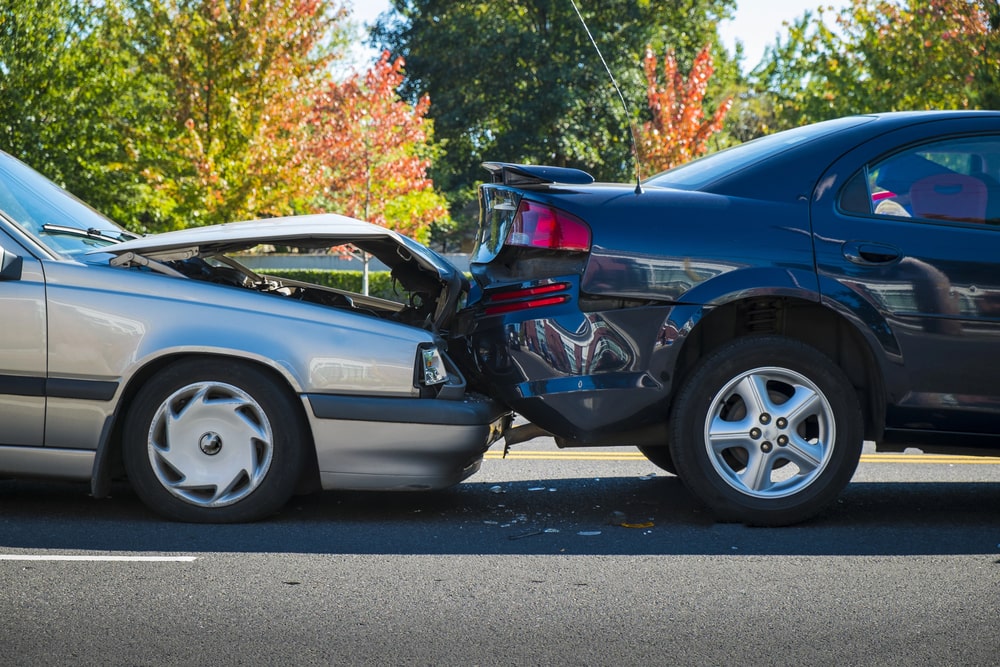
Personal Injury Protection (PIP) is optional insurance coverage in Washington State that pays for medical expenses and other costs after a car accident, no matter who caused the crash. That’s the key difference. Unlike liability insurance, which covers damages you cause to others, PIP covers you and your passengers. Washington doesn’t require drivers to carry PIP coverage. But insurance companies must offer it when you purchase a policy. A lot of drivers skip this coverage without really understanding what they’re giving up. At Deno Millikan Law Firm, PLLC, we can help you understand what all this means and how it applies to your case.
What PIP Insurance Covers
PIP benefits go beyond just medical bills. This coverage typically includes:
- Medical and hospital expenses
- Rehabilitation costs
- Lost wages if you can’t work
- Replacement services for household tasks you can’t perform
- Funeral expenses in fatal accidents
The standard PIP policy in Washington provides $10,000 in coverage, though you can purchase higher limits. This amount applies per person, per accident. Medical expenses form the bulk of most PIP claims. The coverage pays for doctor visits, emergency room treatment, surgery, prescription medications, and physical therapy. If your injuries prevent you from working, PIP also compensates for a portion of your lost income. It’s broader than many people realize.
How PIP Differs From Other Coverage
Many people confuse PIP with medical payments coverage, often called MedPay. While both pay medical bills after an accident, PIP offers broader protection by covering lost wages and other expenses that MedPay doesn’t touch. PIP also functions differently from liability insurance. Your liability coverage only kicks in when you’re at fault, and someone else gets hurt. PIP works the opposite way.
It pays your expenses regardless of who caused the accident. You could be completely at fault, and PIP still covers you. You could be completely innocent, and PIP still covers you. That’s the point. A Lynnwood car accident lawyer can help you understand how different insurance coverages work together after a collision. Sometimes multiple policies may apply to a single accident, and figuring out which one pays first gets complicated quickly.
When PIP Benefits Apply
PIP coverage activates immediately after an accident. You don’t need to wait for an insurance investigation or worry about proving the other driver caused the crash. This quick access to benefits helps accident victims get medical treatment without delay. The coverage applies whether you’re driving your own car, riding as a passenger, or even walking when a vehicle hits you. Some policies extend benefits to family members living in your household.
Filing A PIP Claim
After an accident, you typically have one year to submit a PIP claim to your insurance company. Don’t wait that long. You should file as soon as possible to avoid complications. Your insurer will require medical records, bills, and documentation of any lost wages. Keep everything organized from day one. Insurance companies sometimes dispute PIP claims, especially for ongoing treatment or higher-cost procedures. They may question whether treatments are medically necessary or argue that pre-existing conditions caused your symptoms rather than the accident. It happens more often than it should.
Why PIP Matters In Washington
Washington follows a “fault” system for car accidents, meaning the at-fault driver’s insurance should ultimately pay for damages. But liability claims take time to resolve. Sometimes months. Sometimes longer.
The at-fault driver might dispute responsibility, or their insurance company might drag out negotiations. PIP provides immediate financial relief while you pursue compensation from the responsible party. You don’t have to choose between getting treatment and waiting for a settlement. This coverage keeps medical bills from piling up and creditors from calling while your case proceeds. According to the Washington State Office of the Insurance Commissioner, drivers should carefully consider their coverage options during policy selection or renewal.
Coordinating PIP With Other Recovery
When you have PIP coverage, it typically pays first before other insurance or settlement funds apply. Once you exhaust your PIP benefits, you can pursue additional compensation through the at-fault driver’s liability insurance. Working with a Lynnwood car accident lawyer helps you manage these overlapping claims and protect your full recovery. We help accident victims understand their insurance coverage and pursue all available compensation after a collision. We’ve seen how confusing these situations become, and we’re here to help you make sense of it all.