
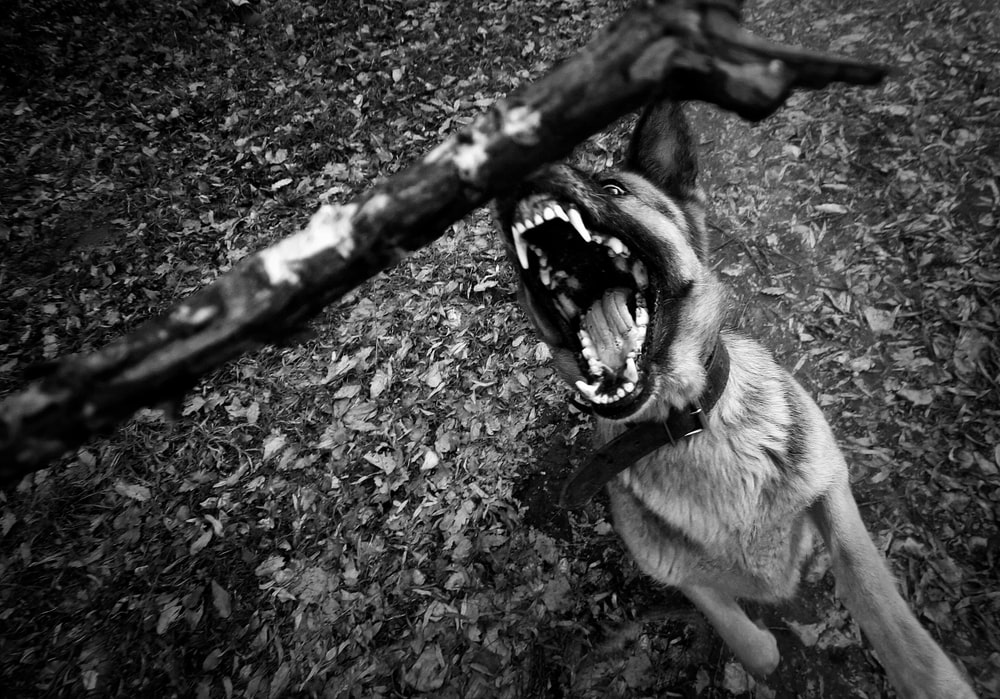
Most dog bite settlements get paid by homeowner’s or renter’s insurance policies rather than dog owners personally. Understanding how these insurance policies cover liability for dog attacks helps you evaluate realistic compensation prospects and know what coverage limits might restrict your recovery. Insurance policy terms, breed exclusions, and coverage caps all affect how much money is actually available to compensate your injuries regardless of how negligent the dog owner was.
Our friends at Nugent & Bryant explain policy coverage to clients who assume dog owners will pay settlements personally without realizing insurance typically funds compensation. A dog bite lawyer experienced with these claims knows that investigating insurance coverage early determines whether pursuing cases makes financial sense, because uninsured dog owners rarely have assets to satisfy judgments.
Standard Homeowner’s Policy Liability Coverage
Homeowner’s insurance policies include liability coverage protecting insureds from claims when they’re legally responsible for injuring others. Dog bites fall within this liability coverage in most policies.
Standard liability limits range from $100,000 to $500,000 depending on policy selections. These limits represent maximum amounts insurers will pay for covered claims regardless of actual damage amounts.
If you suffer $200,000 in damages but the owner’s policy has only $100,000 in liability coverage, insurance pays the policy limit and you must pursue the owner personally for the remaining $100,000.
Medical Payments Coverage
Homeowner’s policies typically include medical payments coverage providing small amounts, usually $1,000 to $5,000, for medical expenses of people injured on the property regardless of fault.
This coverage operates separately from liability coverage and doesn’t require proving owner negligence. Medical payments coverage provides quick payment for immediate medical bills while liability claims are investigated.
Accepting medical payments doesn’t prevent pursuing larger liability claims. The coverage simply provides partial reimbursement while full claims proceed.
Renter’s Insurance Coverage
Renters who own dogs should carry renter’s insurance with liability coverage. These policies work identically to homeowner’s insurance for dog bite liability purposes.
Many tenants lack renter’s insurance, leaving bite victims without insurance recovery options. Investigating whether dog-owning tenants have renter’s insurance determines collection prospects before investing resources in claims.
Breed-Specific Exclusions
Insurance companies increasingly exclude coverage for specific dog breeds considered high-risk. Pit bulls, Rottweilers, Dobermans, German Shepherds, and several other breeds face frequent exclusions.
Breed exclusions mean policies provide no coverage for bites by excluded dogs. These exclusions leave victims pursuing uninsured dog owners who typically lack resources to pay substantial damages.
Some exclusions apply only to certain breeds while others list any dog with prior bite history. Reading actual policy language reveals what coverage exists.
According to the Insurance Information Institute, dog bite claims cost insurers billions annually, leading to increased breed restrictions and coverage limitations.
How To Verify Coverage Exists
Determine whether dog owners have insurance before investing time and money in claims. Request that owners provide their homeowner’s or renter’s insurance information including company name and policy number.
We send letters to insurance companies confirming coverage exists and notifying them of potential claims. These letters trigger insurer investigation and establish that claims were timely reported.
Insurance companies sometimes deny coverage based on breed exclusions or other policy provisions. Early coverage verification prevents pursuing cases against uninsured owners who cannot pay judgments.
Umbrella Policy Additional Coverage
Some homeowners carry umbrella liability policies providing additional coverage above homeowner’s policy limits. These umbrella policies typically provide $1,000,000 to $5,000,000 in additional coverage.
Umbrella policies cover dog bite liability when underlying homeowner’s policies are exhausted. A claim exceeding homeowner’s liability limits might still receive full payment through umbrella coverage.
Investigating whether owners have umbrella policies is essential when damages exceed basic homeowner’s liability limits.
Coverage For Incidents Off Property
Most homeowner’s and renter’s policies cover dog bite liability regardless of where attacks occur. Coverage extends to incidents at parks, on sidewalks, or anywhere the insured’s dog bites someone.
This broad coverage means you can pursue homeowner’s insurance claims even when bitten away from the owner’s residence. The insurance follows the dog owner, not the property location.
When Coverage Gets Denied
Insurance companies deny dog bite claims for various reasons that may or may not be valid:
- Breed exclusions for prohibited dogs
- Intentional act exclusions claiming owners intended attacks
- Business pursuit exclusions for commercial dog operations
- Claims that owners didn’t notify insurers of dogs
- Arguments that bite victims were trespassers
- Late notice of claims by insureds
We challenge wrongful coverage denials through litigation against both owners and insurance companies when policies should provide coverage but insurers refuse payment.
The Claims Process Timeline
Dog bite insurance claims follow predictable processes. Victims notify dog owners of claims, owners report claims to their insurers, insurance companies investigate liability and damages, adjusters make settlement offers or deny claims, and negotiations proceed toward settlement or litigation.
This process typically takes months. Insurance companies investigate deliberately to minimize payments, requiring patience while claims proceed.
Bad Faith Insurance Practices
Insurance companies that wrongfully deny valid claims or unreasonably delay payments face bad faith lawsuits. These claims provide remedies beyond policy limits when insurers violate duties to insureds.
Victims cannot typically sue for insurer bad faith directly, but owners whose insurers handle claims improperly can pursue bad faith claims. These lawsuits sometimes result in payments exceeding policy limits.
Settling Within Policy Limits
Most dog bite claims settle within available insurance policy limits. Insurers prefer settling for policy limits or less rather than risking excess verdicts that might trigger bad faith exposure.
When damages clearly exceed policy limits and liability is strong, we demand policy limits early. This protects owners from excess judgments and provides victims with maximum available insurance compensation quickly.
Personal Assets At Risk
When damages exceed insurance coverage, dog owners face personal liability for the excess. Their homes, savings, and future wages become subject to judgment collection.
Most dog owners lack substantial assets beyond insurance, making excess judgments difficult to collect. We evaluate owner financial situations to determine whether pursuing excess damages makes sense.
Subrogation And Health Insurance
Your health insurance company may have subrogation rights requiring reimbursement from dog bite settlements. These liens reduce net recovery from insurance settlements.
Negotiating subrogation liens to reduce reimbursement amounts increases what you keep from settlements. Many health insurers accept reduced payback when full reimbursement would leave victims with minimal recovery.
Multiple Dog Owner Coverage
When multiple dogs owned by different people attack, each owner’s insurance provides separate coverage. A victim can potentially access multiple policies for maximum recovery.
Determining which dog caused which injuries affects how liability and damages get allocated between policies. Medical evidence and witness testimony help prove which dogs inflicted specific wounds.
Landlord Insurance Coverage
Landlords whose tenants own dogs generally don’t face liability unless they knew dogs were dangerous. Landlord insurance typically doesn’t cover tenant dog attacks unless landlords shared liability.
Investigating both tenant and landlord insurance determines all available coverage sources when attacks occur on rental properties.
If you’ve been bitten by a dog, understanding that homeowner’s or renter’s insurance typically pays settlements helps you focus on verifying coverage exists and investigating policy limits. Insurance companies represent the realistic source of compensation in most dog bite cases, making coverage verification more important than evaluating dog owner personal wealth. Policy limits, breed exclusions, and umbrella coverage all affect how much money is actually available to compensate your injuries, making early insurance investigation essential for evaluating whether pursuing claims makes financial sense.