
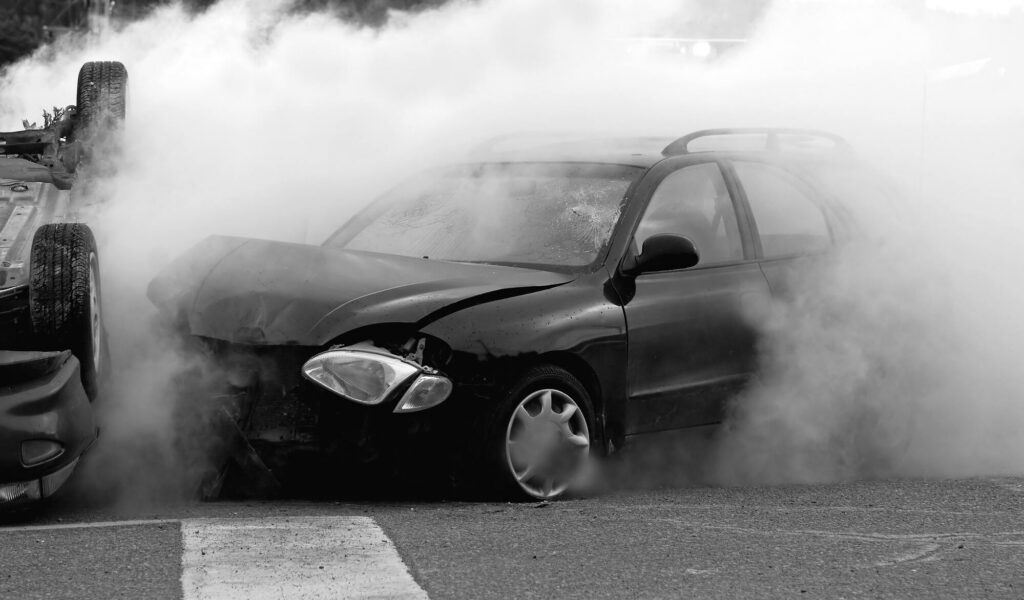
Nighttime driving is significantly more dangerous than driving in the daytime, with 50% of fatal crashes occurring at night despite only 25% of driving after dark. There are many aspects to nighttime driving that can cause this frightening statistic; it is important to note these dangers and take the proper precautions in order to ensure that you are driving as safe as you possibly can as well as watch the behaviors of other drivers around you in order to drive defensively in dangerous conditions. Below, our colleagues at Johnson & Alday, LLC explain factors that make nighttime driving so dangerous.
Reduced Visibility
Nighttime severely limits depth perception, color recognition, and peripheral vision. Headlights only provide a limited view, reducing the time needed to react to hazards, pedestrians, and obstacles so it is crucial you are as alert as you possibly can be when driving at night.
Fatigue and Drowsiness
The body’s natural circadian rhythm causes increased sleepiness at night, slowing reaction times and impairing your judgement. Driving after twenty hours without sleep is comparable to having a .08% blood alcohol concentration, which is legally intoxicated. If you are incapable of driving safely, it is always better to get some rest if at all possible before getting on the road. Nothing is more important than your safety and the safety of everyone else on the road.
Headlight Glare
The glare from oncoming vehicles, particularly high beams, can temporarily blind drivers and make it difficult to see road details, and if your windshield is dirty this can be worsened severely. To try and remedy this effect, you can look slightly to the right side of your lane, using the white line as a guide instead of staring at the bright white lights that can easily overwhelm your eyes. You can also ensure that your windshield is as clean as possible, as to not cause further visual impairment.
Impaired Drivers
An experienced car accident lawyer knows that the highest concentration of alcohol-impaired and drug-impaired drivers on the road is during nighttime hours and especially on the weekends. While this is a factor completely out of your control, you can drive defensively and watch carefully the behavior of others and be alert to what may be erratic driving behavior due to intoxication. Always err on the side of caution, and avoid any vehicles that are displaying concerning patterns.
Wildlife Activity
Animals, such as deer, are more active at night, particularly in rural and suburban areas, increasing the likelihood of collisions. To prepare for and avoid any animal collisions, use your high beam lights when appropriate to increase your visibility, and scan the road shoulders for reflective glowing eyes. You can also reduce your speed in heavily wooded or rural areas when animals are most active. If an animal appears, brake firmly but do not swerve, as this can cause a more dangerous accident.
Darkened Roads and Infrastructure
Poorly lit roads, faint markings, and other road defects may make it harder to navigate and stay in your proper lane. This is another factor that the driver has very little control over but using your high beams when appropriate and staying alert to the behaviors and patterns of the drivers around you can assist in ensuring a safe journey.
Nighttime driving, while dangerous, is a necessity at one point or another. There are factors you cannot always control, but you can be prepared for. Always be cautious, always be aware, and take the proper precautions to ensure you are driving safely and you are accounting for other drivers around you who may not be as prepared as you. Always remember; your safety is most important, and if for any reason you feel it is unsafe to drive, take the time needed and proceed with your drive when you are more capable of doing so safely.