
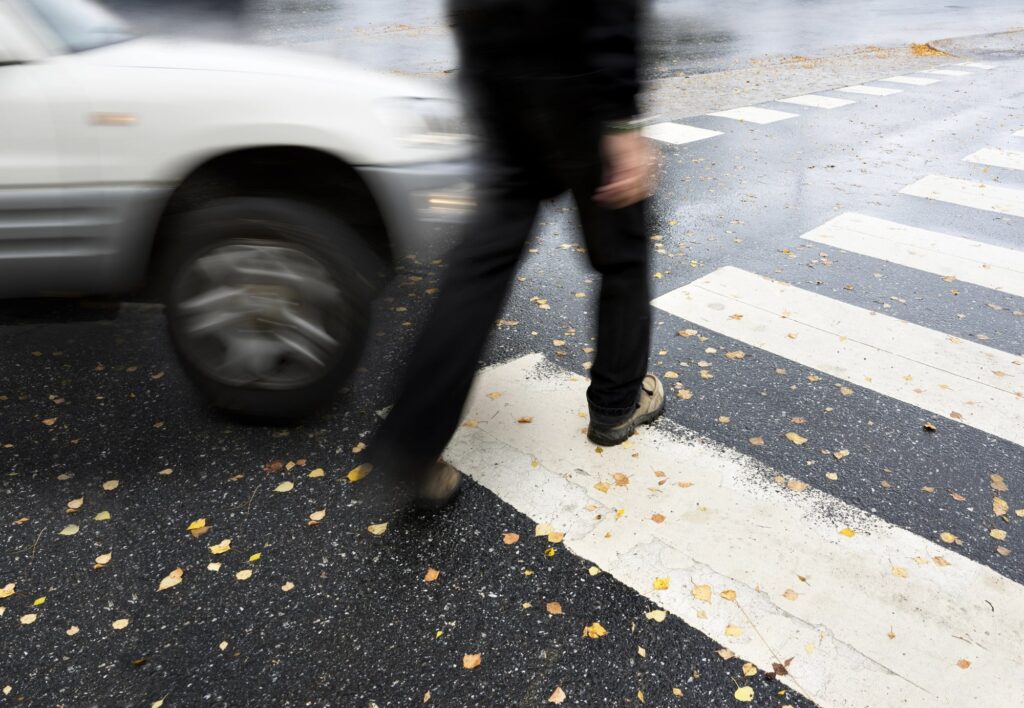
Getting hit by a car while jaywalking doesn’t mean you’re out of options. A lot of people assume crossing outside a crosswalk kills their chance at compensation. Washington law works differently than you might think.
Washington Uses Comparative Fault
Here’s how it actually works. Washington follows pure comparative negligence, which means you can recover damages even when you share some of the blame. Your jaywalking becomes one piece of a bigger puzzle. If you were 30% at fault for crossing mid-block and the driver was 70% at fault for speeding or texting, you’ll recover 70% of your damages. That $100,000 case? You’d get $70,000 after the fault reduction. Drivers still have responsibilities. They’ve got to watch for pedestrians, maintain safe speeds, and avoid hitting people regardless of where someone crosses. An Everett pedestrian accident lawyer can look at your situation and figure out how the fault actually breaks down.
What Actually Counts As Jaywalking
Washington’s pedestrian laws aren’t as simple as most people think. You’re required to use crosswalks at controlled intersections, but the rules change for mid-block crossing. Between intersections, pedestrians must yield to vehicles. That doesn’t give drivers free rein to plow through someone already in the roadway. Once you’re in the travel lane, drivers have an obligation to stop. Context determines everything:
- How visible you were when the accident happened
- Whether the driver had enough time to react
- The driver’s speed compared to the posted limits
- Any evidence of distracted or impaired driving
- Road and lighting conditions
Driver Negligence Often Outweighs Jaywalking
Even when pedestrians cross illegally, driver behavior frequently matters more. Texting while driving causes accidents. So does speeding, running red lights, and driving drunk. We’ve represented clients who were jaywalking but got hit by drivers going 20 mph over the limit. The jaywalking? Maybe 20% of the fault. The speeding and complete inattention caused the devastating injuries. Insurance companies will absolutely use your jaywalking against you. They’ll claim you’re primarily responsible and offer a fraction of what you deserve. That’s why having legal representation matters. It prevents them from shifting blame unfairly onto you.
Your Damages Don’t Disappear
Pedestrians suffer catastrophic injuries when vehicles hit them. We’re talking broken bones, traumatic brain injuries, spinal cord damage, and internal organ injuries. These require massive medical intervention. Your costs don’t vanish because you crossed mid-block:
- Emergency room care and hospitalization
- Surgeries and months of rehabilitation
- Lost wages while you can’t work
- Permanent disability accommodations
- Pain and suffering
Deno Millikan Law Firm, PLLC calculates what your claim is actually worth and fights for maximum recovery under Washington’s comparative fault system.
Evidence Makes The Difference
Building a strong case when jaywalking’s involved takes serious investigation. Witness statements matter. So do traffic camera footage, accident reconstruction analysis, and your medical records. We examine whether the driver could have avoided hitting you with reasonable care. If they were speeding, distracted, or breaking traffic laws themselves, that shifts the fault balance significantly in your favor. Sometimes dramatically. Police reports often assign preliminary fault. These aren’t the final word. An Everett pedestrian accident lawyer can challenge inaccurate determinations and present evidence that the officer didn’t see or consider at the scene.
Don’t Assume You Have No Case
Insurance adjusters want you to believe that jaywalking destroys your claim. It doesn’t work that way. Washington law specifically allows partial recovery based on comparative fault percentages, and that protection applies to you. Get a real legal assessment before accepting that you can’t recover anything. The specific circumstances of your accident matter far more than a simple jaywalking label suggests. We’ll review everything and determine what your case is actually worth under Washington law.