
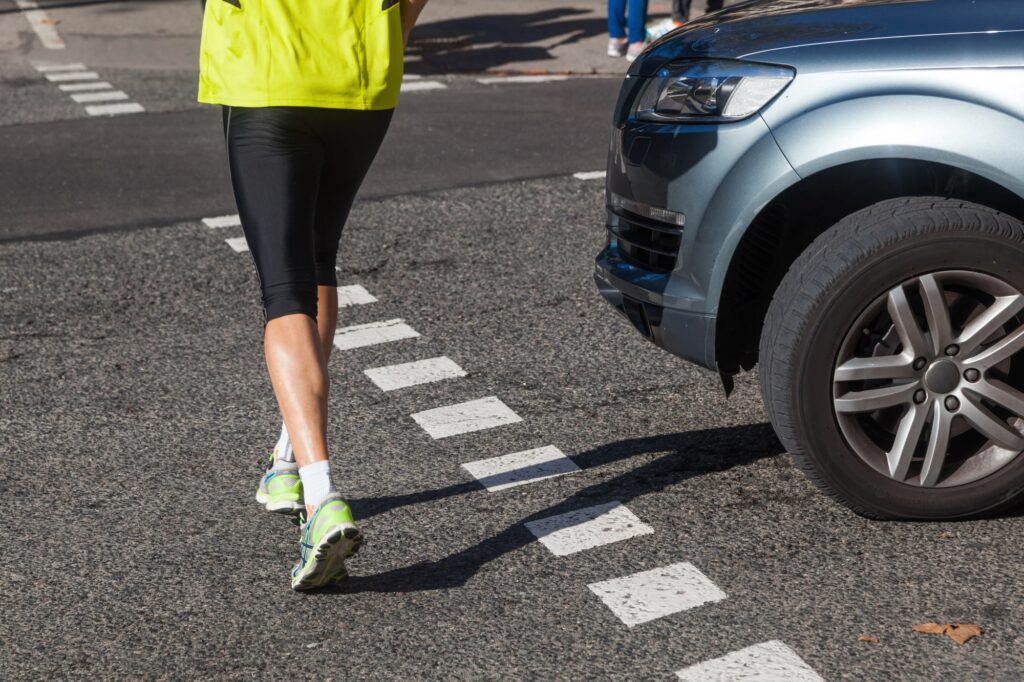
You followed the rules. You waited for the walk signal, stepped into the marked crosswalk, and looked both ways before crossing. Then a driver who wasn’t paying attention struck you. Despite doing everything right, you’re now facing serious injuries, mounting medical bills, and an insurance company suggesting you somehow share blame. Pedestrians have strong legal protections in crosswalk accidents, but many don’t realize the full extent of their rights or how to enforce them.
Our friends at Disparti Law Group discuss how crosswalk accidents often result in severe injuries that deserve substantial compensation. A pedestrian accident lawyer can protect your rights against insurance companies that try to minimize legitimate pedestrian injury claims even when drivers were clearly at fault.
Pedestrian Right-of-Way In Crosswalks
Traffic laws in every state give pedestrians the right-of-way in marked crosswalks. Drivers must yield to pedestrians lawfully within crosswalks, whether controlled by signals or not. This legal protection means drivers who strike pedestrians in crosswalks are presumed to be at fault.
At signalized intersections, pedestrians must obey walk signals. When you have a walk signal and enter the crosswalk, drivers making turns must yield to you even if they have a green light. Your right-of-way takes priority over turning vehicles.
Unmarked crosswalks exist at most intersections even without painted lines. The law treats these unmarked crossings the same as marked crosswalks, giving pedestrians the same right-of-way protections. Drivers can’t claim they didn’t have to yield simply because no painted stripes indicated the crosswalk.
When Drivers Try To Shift Blame
Insurance companies routinely argue that pedestrians contributed to accidents by not looking carefully enough, crossing too slowly, or wearing dark clothing. These blame-shifting tactics attempt to reduce compensation through comparative negligence arguments.
The law places the burden of care primarily on drivers. Vehicles are large, fast, and deadly to pedestrians. Drivers must watch for people in crosswalks and stop when pedestrians are present. A pedestrian’s minor inattention doesn’t excuse a driver’s failure to yield.
Common defense arguments include claiming you darted into the crosswalk, weren’t visible, or appeared suddenly. These assertions often contradict physics and human perception, especially when reconstruction analysis proves you were visible for several seconds before impact.
Your Injuries Are Likely Serious
Pedestrian accidents cause severe injuries because human bodies offer no protection against multi-ton vehicles traveling at speed. Even low-speed collisions result in broken bones, traumatic brain injuries, spinal damage, and internal bleeding.
The severity of pedestrian injuries typically means significant medical expenses, long recovery periods, and potentially permanent disabilities. These cases often involve six-figure or seven-figure damages when injuries are properly documented and valued.
Insurance companies know pedestrian accident settlements tend to be large, motivating them to fight these claims aggressively. They invest substantial resources in disputing liability and minimizing damages to avoid paying what injured pedestrians actually deserve.
Multiple Sources Of Insurance Coverage
The driver’s auto insurance liability coverage is the primary source of compensation for your injuries. This coverage should pay for all your accident-related damages up to the policy limits.
Your own auto insurance might provide additional coverage through uninsured motorist protection or medical payments coverage, even though you weren’t in a vehicle. These policies often cover pedestrian accidents involving their insureds.
If you were crossing to or from work, workers compensation might apply. Injuries occurring in the course of employment can qualify for workers comp benefits regardless of where the accident happened.
Property owners sometimes bear liability if poor visibility, inadequate lighting, obstructed sight lines, or dangerous conditions contributed to the accident. Premises liability claims can supplement recovery from the driver’s insurance.
Contributory Negligence Defenses
Insurance companies argue comparative fault to reduce what they pay. They claim you were distracted by your phone, not watching traffic, or crossed against the signal. Even minor attributed fault reduces your recovery in most states.
Common comparative negligence arguments include:
- Jaywalking or crossing outside the crosswalk
- Not using the crosswalk button at signals
- Entering the street against a don’t walk signal
- Wearing dark clothing at night
- Being distracted by phones or headphones
- Crossing too slowly
Many of these arguments fail under scrutiny. Drivers still must watch for pedestrians even when pedestrians aren’t perfectly attentive. Your distraction doesn’t excuse a driver’s negligence in failing to see you in a marked crosswalk.
Video Evidence Often Exists
Intersection accidents frequently get captured on traffic cameras, business security systems, or dashcams. This video evidence proves what actually happened and eliminates false claims about how the accident occurred.
Obtaining video requires quick action. Many systems overwrite footage within days or weeks. Your attorney can send preservation letters demanding that footage be saved while you work to obtain copies.
Traffic signal data might also exist, proving the signal phase when the accident occurred. This electronic evidence confirms whether you had a walk signal and whether the driver had a red light or stop sign.
The Investigation Process
Police reports in pedestrian accidents don’t always accurately determine fault. Officers might not understand pedestrian right-of-way laws or might make assumptions about what happened without investigating thoroughly.
Professional investigation includes examining the accident scene, measuring sight distances, reviewing signal timing, photographing conditions, and interviewing witnesses. This detailed analysis often reveals facts that support pedestrian claims and contradict driver accounts.
Accident reconstruction can prove you were visible to the driver for sufficient time and distance to avoid the collision. This scientific analysis demonstrates that the driver wasn’t paying attention or wasn’t watching for pedestrians as required by law.
Special Rules For Marked Versus Unmarked Crosswalks
Marked crosswalks provide the strongest legal protection because they clearly designate where pedestrians should cross. Drivers expect pedestrians in marked crosswalks and have a heightened duty to watch for them.
Unmarked crosswalks at intersections also give pedestrians right-of-way, but drivers sometimes argue they didn’t realize a crosswalk existed. This defense rarely succeeds because the law presumes crosswalks exist at intersections.
Mid-block crosswalks often have additional protections like warning signs, flashing lights, or raised platforms. When special safety features exist, drivers have even less excuse for failing to yield to pedestrians.
When Drivers Leave The Scene
Hit-and-run accidents involving pedestrians are unfortunately common. Drivers panic and flee rather than facing responsibility. These cases require different approaches since there’s no at-fault driver to pursue directly.
Your uninsured motorist coverage might provide compensation when drivers can’t be identified or located. This coverage acts as backup protection when the at-fault party disappears.
Security cameras, witnesses, and vehicle debris can help identify hit-and-run drivers. Police investigate these cases as crimes, and public appeals for information sometimes locate fleeing drivers.
Medical Treatment Considerations
Seek immediate medical attention after any pedestrian accident, even if injuries seem minor. Internal injuries, concussions, and other serious conditions might not cause immediate symptoms but require urgent treatment.
The emergency room visit creates medical documentation linking your injuries to the accident. This contemporaneous medical record prevents insurance companies from arguing that your injuries came from something else or aren’t as serious as claimed.
Follow all treatment recommendations from your doctors. Gaps in medical care give insurance companies ammunition to argue you weren’t really hurt or your injuries resolved more quickly than claimed.
The True Value Of Your Pedestrian Injury Claim
Pedestrian accident settlements should cover all your medical expenses, lost wages, future medical needs, pain and suffering, and reduced quality of life. The severe nature of pedestrian injuries typically justifies substantial compensation.
Insurance companies make low initial offers hoping you’ll accept inadequate compensation before understanding your injuries’ full impact. Patience in settlement negotiations typically results in significantly higher recovery.
Permanent injuries, scarring, disability, and long-term limitations dramatically increase claim values. These life-altering consequences deserve recognition and compensation that addresses ongoing impacts for years or decades.
Your Rights Under The Law
Pedestrians following traffic laws in crosswalks have strong legal protections and clear rights to compensation when drivers fail to yield. The law recognizes that drivers operating dangerous machinery have primary responsibility for avoiding accidents with vulnerable pedestrians.
Don’t let insurance companies convince you that getting hit in a crosswalk was somehow your fault or that your injuries don’t warrant significant compensation. You followed the rules, and the driver violated their duty to watch for and yield to pedestrians.
If you’ve been struck by a vehicle while in a crosswalk and face questions about liability or appropriate compensation for your injuries, reach out to discuss your rights and options for holding the responsible driver accountable for your damages.