
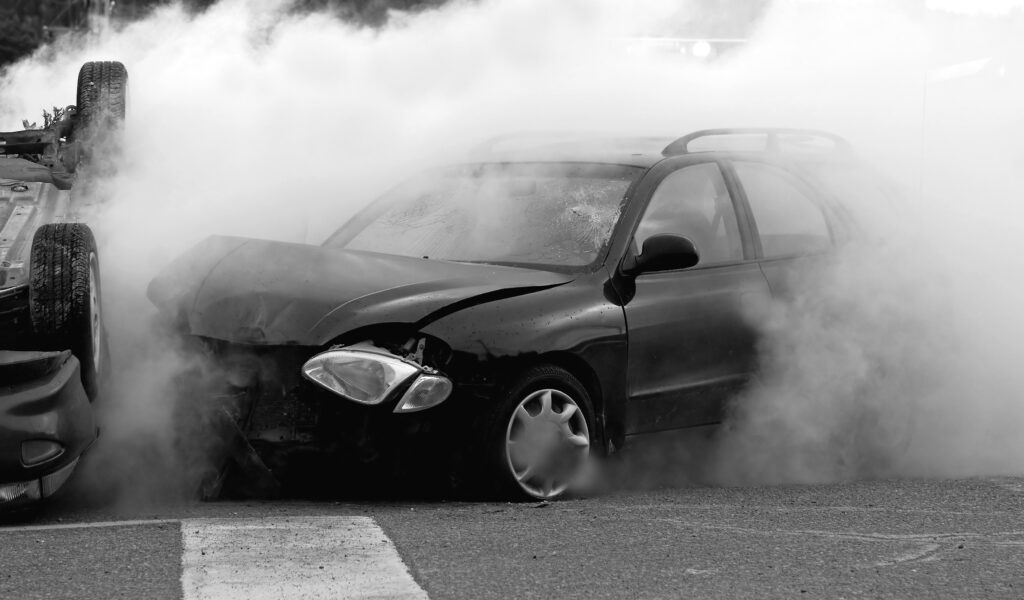
Your car is in the shop after an accident, and you need transportation to get to work, medical appointments, and handle daily responsibilities. You have rental car coverage on your policy, but the fine print contains daily limits, duration caps, and restrictions you didn’t know about. Understanding what rental reimbursement actually covers helps you avoid paying out of pocket for transportation expenses that should be covered.
Our friends at Andrew R. Lynch, P.C. discuss how rental coverage confusion often leaves accident victims paying more than necessary for temporary transportation. A car accident lawyer can explain your coverage options and help recover rental expenses from at-fault parties when your own coverage proves insufficient.
Rental Reimbursement On Your Own Policy
Rental reimbursement coverage (sometimes called transportation expense coverage) pays for rental cars while your vehicle is being repaired or replaced after a covered loss. This is optional coverage you purchase as an add-on to your auto policy.
The coverage has two key limits: a daily maximum and a total duration cap. Common configurations include $30 per day for 30 days, $50 per day for 30 days, or similar combinations. These limits determine how much you can claim for rental expenses.
If your rental costs $45 daily and your coverage provides $30 per day, you pay the $15 difference out of pocket. The insurance company won’t reimburse above your daily limit regardless of actual rental costs.
What The Daily Limit Actually Covers
The daily limit applies to the base rental rate, not the total daily cost including taxes, fees, and insurance. A rental advertised at $40 per day might cost $55 after adding taxes and mandatory fees.
Some policies cover only the rental vehicle cost, while others include taxes and fees up to the daily limit. Read your policy or ask your agent which expenses count toward your daily limit.
Optional insurance offered by rental car companies (collision damage waivers, liability coverage, personal effects coverage) typically isn’t covered by rental reimbursement. You’re responsible for deciding whether to purchase these protections and paying for them separately.
Duration Limits And Extensions
Most rental reimbursement coverage runs for 30 days, though some policies offer longer periods. This duration begins when you pick up the rental car, not when the accident occurred.
If repairs take longer than your coverage period, you either pay rental costs out of pocket or return the rental and find other transportation. Extensions beyond your policy limit typically aren’t available even when repair delays are the shop’s fault.
For totaled vehicles, coverage usually ends when the insurance company makes a settlement offer or declares the vehicle a total loss, not when you actually purchase a replacement. This can leave you without rental coverage while shopping for and financing a new vehicle.
Using Your Rental Coverage Versus The At-Fault Party’s Insurance
You can file a rental claim with your own insurance or seek reimbursement from the at-fault driver’s property damage liability coverage. Each approach has advantages and disadvantages.
Using your own coverage means faster rental approval without waiting for the other insurance company to accept liability. However, you’re limited by your policy’s daily and duration caps.
Seeking coverage from the at-fault party’s insurance avoids your policy limits but requires them to accept liability first. This can take days or weeks, leaving you without transportation while they investigate.
Factors to consider when choosing:
- How quickly you need a rental vehicle
- Your policy’s daily and duration limits
- Whether liability is disputed
- Whether the at-fault driver has insurance
- Your deductible if filing under collision coverage
What Counts As Reasonable Rental Costs
Insurance companies pay for “reasonable” rental costs, meaning a vehicle comparable to your damaged car. If you drove a mid-size sedan, they’ll cover a similar rental, not a luxury SUV or sports car.
Upgrading to a larger or more expensive rental means paying the difference yourself. If your $35 per day coverage would rent an economy car but you choose a $65 per day full-size SUV, you owe the $30 daily difference.
Special circumstances might justify upgraded rentals. Large families needing more seats, work requirements for specific vehicle types, or disabilities requiring particular features can support rental upgrades, but document these needs to justify the expense.
When Coverage Begins And Ends
Rental coverage typically begins when your vehicle enters the shop for repairs or is declared a total loss. The days between the accident and bringing your car to the shop usually aren’t covered.
Coverage ends when repairs are complete and your vehicle is ready for pickup, or when the insurance company settles your total loss claim. Delays in picking up your repaired vehicle or purchasing a replacement aren’t covered.
Some policies require you to return the rental within 24 or 48 hours of notification that your vehicle is ready. Keep your car in the shop longer, and you’ll pay rental costs for those extra days.
Direct Billing Versus Reimbursement
Some insurance companies have relationships with rental car companies allowing direct billing. You pick up the rental, show your insurance information, and the rental company bills your insurer directly up to your policy limits.
Other policies use a reimbursement model where you pay the rental company and then submit receipts to your insurance for repayment. Reimbursement requires having money available upfront and waiting for repayment.
Direct billing is more convenient but might limit your choice of rental companies. Reimbursement offers more flexibility about where you rent but requires fronting the money.
Common Rental Coverage Gaps
Rental reimbursement only applies when your car is undrivable or being repaired. If your vehicle is drivable but you’re too injured to operate it, rental coverage typically doesn’t apply because the issue is your injuries, not vehicle damage.
Coverage doesn’t extend to other drivers in your household who need transportation while your vehicle is unavailable. The reimbursement covers one rental vehicle, not multiple rentals for different family members.
Towing your damaged vehicle to the shop, storage fees while awaiting repair, or other transportation costs like Uber rides generally aren’t covered under rental reimbursement.
The At-Fault Party’s Insurance Obligations
When another driver causes the accident, their property damage liability coverage should pay for your rental car expenses. Unlike your own rental coverage, the at-fault party’s insurance doesn’t have preset daily limits from your policy.
However, they’ll only pay “reasonable” rental costs for a vehicle comparable to yours. They won’t reimburse luxury rentals when you drove an economy car, regardless of what you actually rented.
The at-fault insurance coverage continues until your vehicle is repaired or they provide fair compensation for your total loss, potentially lasting longer than your own rental coverage limits.
Loss Of Use Claims
Loss of use is a legal concept where the at-fault party compensates you for being deprived of your vehicle’s use. This applies whether or not you actually rented a car.
If you borrowed a family member’s car instead of renting, you can still claim loss of use damages based on what it would have cost to rent a comparable vehicle. You don’t need actual rental receipts to recover these damages from at-fault parties.
Your own rental reimbursement coverage only pays if you actually rent a vehicle, but claims against at-fault parties can include loss of use even without renting.
Maximizing Your Rental Coverage
Understand your policy limits before selecting a rental car. Choose vehicles within your daily limit to avoid out-of-pocket costs unless you have specific needs justifying upgrades.
Decline optional insurance from rental companies if you have adequate coverage elsewhere. Your auto insurance liability and collision coverage typically extends to rental vehicles, making rental company insurance redundant.
Keep all rental receipts and documentation. You’ll need these to seek reimbursement from your insurance or to claim rental costs from the at-fault driver’s insurance.
When Rental Coverage Isn’t Enough
If your rental coverage expires before your vehicle is ready or doesn’t cover your actual rental costs, you can seek the difference from the at-fault party’s insurance. Keep receipts for all costs you paid out of pocket.
Consider whether purchasing additional rental coverage makes sense for future accidents. If $30 per day wouldn’t cover adequate rentals in your area, upgrading to $50 or $75 per day costs only a few dollars monthly but provides substantially better protection.
Alternative Transportation Options
When rental coverage runs out or isn’t available, consider rideshare services, public transportation, car sharing programs, or borrowing vehicles from family and friends. Track all these costs to include in your accident claim against the at-fault party.
Even alternative transportation expenses you incur can be claimed as damages from the at-fault driver. Uber receipts, bus passes, and mileage reimbursement to friends who drive you around all represent compensable losses.
Understanding Your Full Rights
Rental car coverage seems straightforward until you need it and discover the limitations and complexity. Knowing your policy limits, understanding when coverage applies, and recognizing what the at-fault party owes you beyond your own coverage helps maximize your rental benefits.
If you’re dealing with rental car coverage questions after an accident or facing gaps between what your coverage pays and your actual transportation needs, reach out to discuss your options for recovering all reasonable rental and transportation expenses related to the accident.